How to Keep Love Alive in Relationships: Emotional Intimacy, Accountability & The True Meaning of Unconditional Love
To understand how to keep love alive in relationships, we must look at both the spark that draws us together and the deeper forces that help love endure. Many couples struggle to sustain emotional intimacy once the initial chemistry softens and the realities of daily life begin to test connection. In this article, we explore secure attachment, self love, accountability, and repair - and the living balance between attachment and differentiation that allows love to mature without losing its aliveness.

Love is embodied, romantic, erotic, and spiritual.
It’s also accountable, relational, devotional, and practiced.
Love invites us to hold more than one truth simultaneously.
Love can feel like effortless magic - the butterflies, the spark, the thrill of intimate connection. Yet the same love can leave us feeling vulnerable, frustrated, or misunderstood. Many of us long to be loved unconditionally, but relationships often challenge us to stretch our hearts, deepen our awareness, and reflect on how we show up and what we offer.
In my work with couples and individuals, I notice a common pattern: we crave love in its most ideal form, yet sometimes we miss the opportunity of relational nuances that allow love to flourish and grow.
Vibrant, healthy relationships blossom when we balance our yearning for love with the quiet cultivation of an inner wellspring of Love. This inner resource helps us to show up with empathy, kindness, curiosity, and authenticity - inviting deeper understanding, trust, intimacy, romance, and shared growth in the adventure of life.
To explore the heart of love in all its depth and delight, let’s begin by tuning into the spark of love - that enticing, magnetic energy the ancient Greeks called Eros - the sparks that draw us irresistibly toward another, and ignite the wonder of intimate connection.
The Spark of Eros: Why We Fall in Love
Do you remember a time when someone swept you off your feet - when connection and attraction felt electric, and romance seemed to float in the air like the scent of roses? Your heart soared, your body awakened, and the world seemed to shimmer with effervescent possibility. This is Eros - the alluring energy of desire and intimacy that draws us toward one another. It’s exhilarating, electrifying, and full of promise - yet it also opens us up in ways that can feel deeply vulnerable.
This early stage of romantic attraction often forms the emotional foundation of a relationship, shaping how partners bond and imagine a shared future.
From a psycho-spiritual perspective, the Eros dimension of love often carries a sense of destiny, as

though there is a mysterious reason for two souls meeting and feeling magnetized together.
We are drawn to people whose life experiences, emotional patterns, and even wounds intersect meaningfully with ours - not necessarily because of similarity, but because they correspond in ways that have the potential to catalyze and support healing, growth, and discovery in one another - and this generates a sense of kinship and abundant potential energy.
It can sometimes feel as though the Universe has conspired for all the elements of our lives to move, like threads of a tapestry, so that two people can meet and evolve through that connection yet, it’s up to us whether or how that takes place.
Yet as beautiful as Eros is, sustaining love in long term relationships asks more of us than chemistry and sparks of mutual recognition.
When Love Gets Tested: Why Relationships Struggle
In my work with couples, and when supporting individuals navigating upsets in their relationships, I often hear statements like:
“I just want to be loved unconditionally.”
At first glance, this feels like a simple, heartfelt desire. Who wouldn’t want love that is steady, accepting, and unwavering?
Yet in many relationships, these words often emerge during moments of tension or emotional disconnection, when couples struggle to feel seen, heard, or understood.
Imagine Elena and David.
For several weeks, David has been busy - difficult to reach, unclear about his plans, slow to respond. Elena tries to be patient, but she begins to feel despondent and alone, as though she’s not important. What she longs for is not control - but consistency. Regular conversations. Shared plans. Some reassurance that she matters.
One evening, she says, “When I don’t hear from you and plans keep changing, I feel anxious, pushed aside, and hurt. I need to know I can depend on you.”
David hears criticism. He feels overwhelmed, cornered. His chest tightens.
“I just want to be loved unconditionally,” he says.
His words aren’t meant to dismiss her (though they land that way because he’s making it about him). They are actually a plea for acceptance. A plea to not feel like he’s failing.
But because he hasn’t yet acknowledged Elena’s hurt, she feels even more upset, like she’s unseen, uncared for. Her attachment alarm bells ring louder. She presses harder. Overwhelmed, he defends or withdraws.
And just like that, a cycle forms, creating tension and distance that can leave couples feeling unseen or misunderstood.
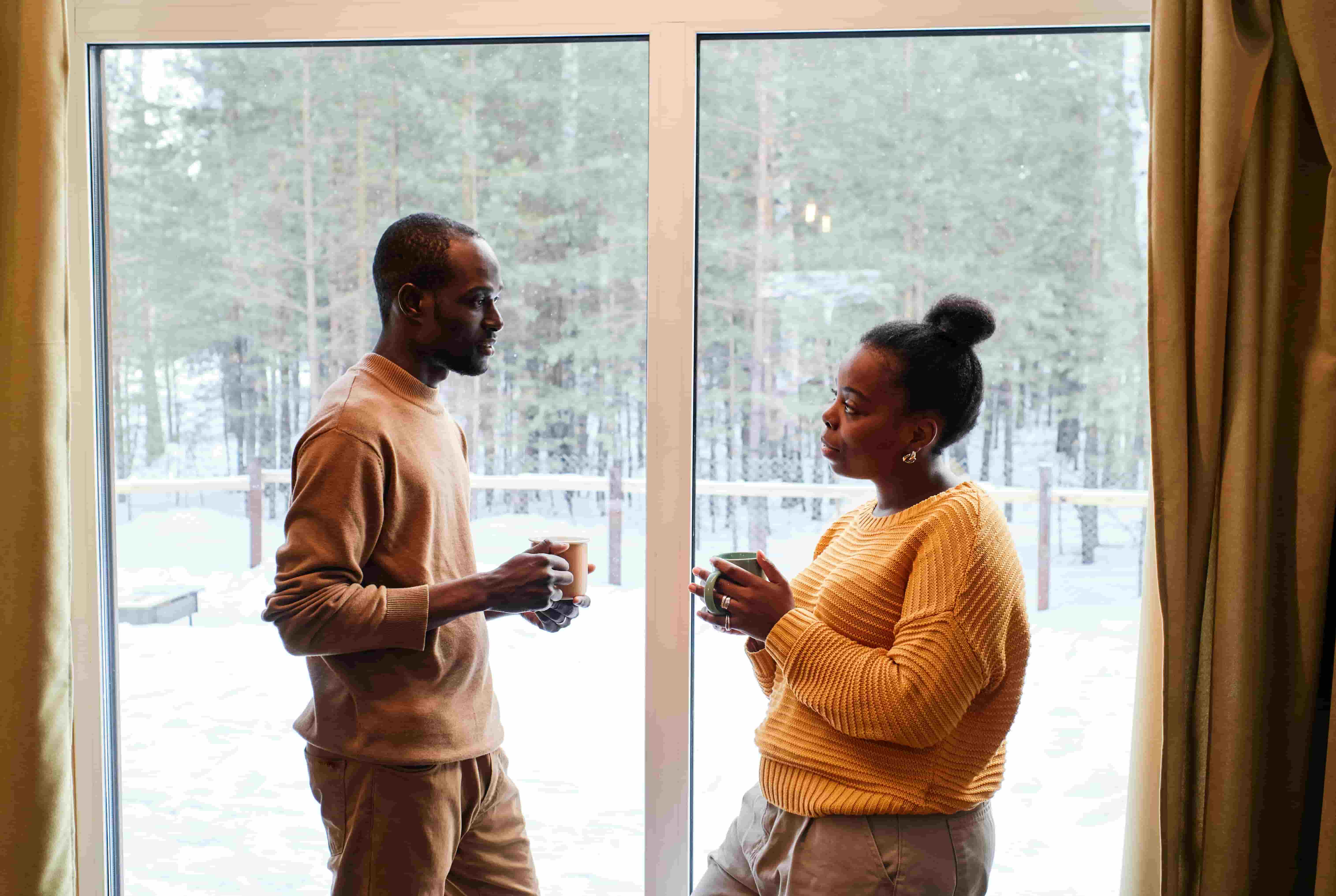
Underneath it all is not selfishness or cruelty - but two nervous systems longing for safety.
In situations like this, instead of demanding unconditional love from one another, we are invited into something more courageous: empathizing with what our partner is experiencing, acknowledging the impact of our behaviour, and being willing to adjust in ways that show care.
Choosing empathy and acknowledgement is loving relationally - choosing to give this with generosity - even when it's hard - doing this out of care for our partner and also because, as their nervous system settles, they become more receptive to us. This creates open hearted pathways that allow communication to flow and love to grow instead of get stuck and stagnate.
Recognizing and shifting defensive patterns is an important step toward nurturing deeper connection and restoring closeness in relationships.
Understanding Secure Attachment, Emotional Fluency, and Defensive Cycles in Relationships
Human beings are biologically wired for connection. For eons, we have relied on one another for survival. Our nervous systems are exquisitely attuned to signs of safety and threat within our closest relationships, making the quality of our bonds essential to emotional well-being.
Attachment science shows us that emotional attunement in close relationships - caring responsiveness, engagement, and dependability - is not a luxury. It is a survival need. And when that need is met, our ability to learn, develop, and love is optimized.
“Love is an ancient, wired-in survival code.” ~ Dr. Sue Johnson
When that bond feels threatened, the brain interprets it as a threat to survival or safety, activating the attachment system and triggering a fight or flight response.
A common pattern is in relationships is:
One partner may protest (pursue, escalate, criticize).
The other may defend (withdraw, shut down, justify).
Neither is the villain. Both are trying to protect the bond - but end up making each other feel less safe.
Dr. Johnson’s work in emotionally focused therapy and attachment research highlights three core experiences that create secure relationships:
Accessibility - Are you there for me?
Responsiveness - Do you care about what I’m feeling?
Engagement - Do I matter to you?
When these are steady, love feels safe.
When they falter, alarm bells ring.

Understanding this shifts the narrative from blame to biology. It helps couples see that what feels personal is often physiological - a nervous system seeking reassurance.
Our ability to engage and respond effectively grows from emotional attunement and Emotional Fluency - the skill of recognizing, feeling, and expressing emotions with clarity and compassion. These are the foundation of emotional intimacy that allows us to connect with our partner’s inner world.
As we become fluent in our own emotional experience, we can develop our ability to attune emotionally to our partner, deepening emotional intimacy and making secure attachment possible.
Emotional Fluency also helps us navigate patterns of insecure attachment, guiding us toward greater security as we work through the recognition that our reactions in love are shaped not only by the present moment, but also by our earliest bonding experiences and the responsiveness of our caregivers.
We adapt to whether we felt seen, safe, and valued. Some of us learned to be responsive and attuned through consistent mirroring. Others learned to cry out in protest (anxious attachment), withdraw, or become less engaged (avoidant attachment) in response to caregiving that felt overbearing, chaotic, or emotionally unavailable.
Over time, these adaptations become part of our inner world - shaping how we see ourselves, how we interpret our partner, and how safe love feels.
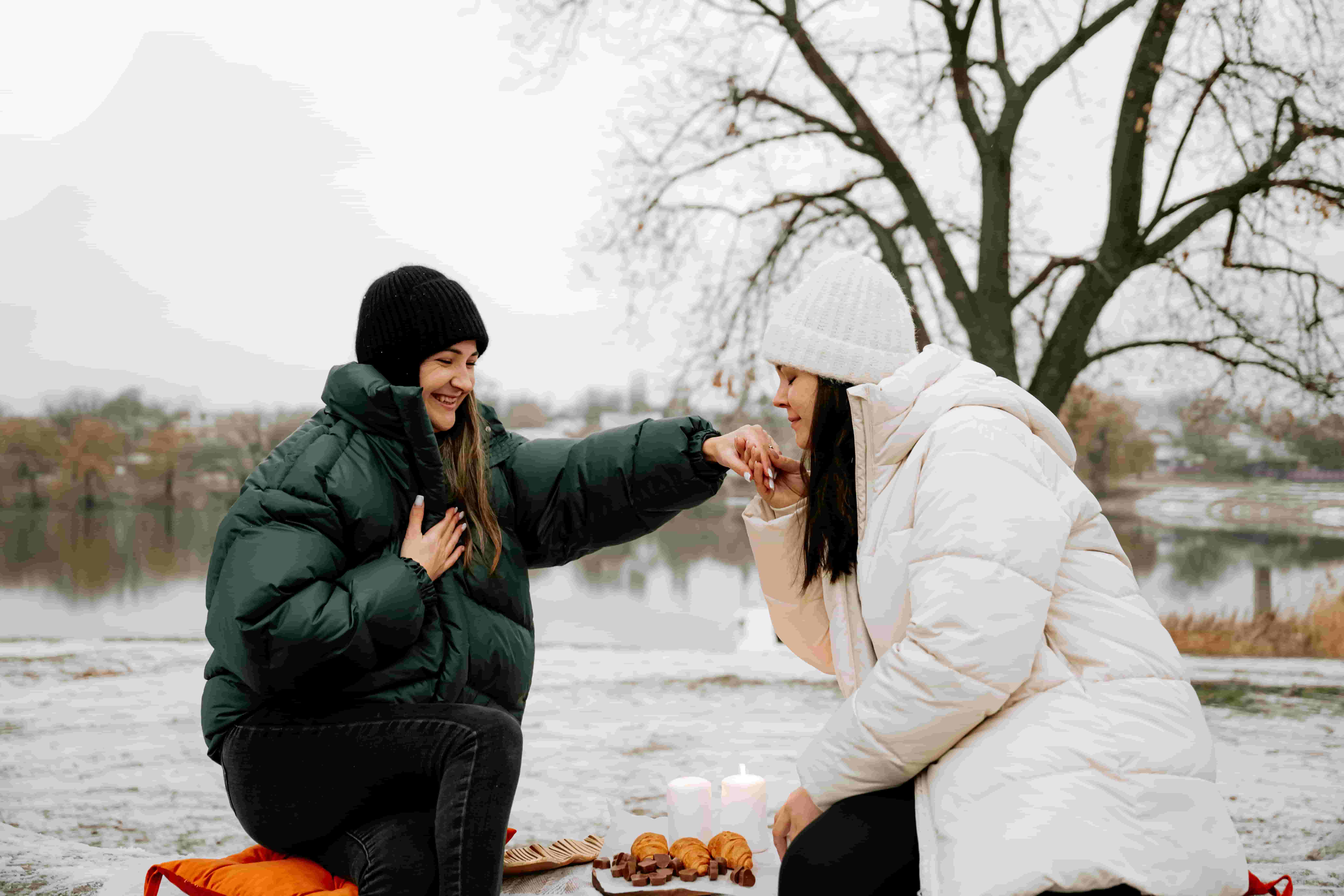
To cultivate healthy, lasting relationships, we need both caring engagement from our partners and the ability to soothe ourselves when attachment alarms are triggered - so we can maintain emotional clarity, connection, and empathy within the relationship.
To truly transform the protective patterns that keep us stuck and cultivate deeper security, we need to look within, explore the relationship we have with ourselves and our capacity for Self Love.
Self Love, the Inner Critic, and Emotional Intimacy
Cultivating self love and self esteem is key to healthy, lasting relationships and emotional intimacy, even though it can feel unfamiliar or challenging at times.
Self love involves meeting yourself with empathy and compassion. It is a foundation of healthy, emotionally intimate relationships. Self Love is the journey of knowing yourself and accepting both “light & shadow” aspects. It is enjoying, nurturing, and expressing, your unique essence.
We all carry the seeds of Love within us. When we are born, we come into the world with a spark of life - an inherent worth that is the essence of Life - that lives at our core and never goes away. This spiritual essence is innocent and inherently loving, connected to Life itself.
Though sometimes we may feel that Love is unavailable or we are separated from its source, our core connection to Love remains, waiting to be recognized and embraced. This journey of remembering our connection to Life and to Love is part of being human.
Often, a sense of disconnection from love or self love grows out of painful childhood experiences, especially when emotional attunement in relationships is missing. Because a child’s brain isn’t yet developed enough to understand that a caregiver’s behaviour reflects the caregiver's state - not their own worth - they naturally try to make sense of what’s happening in ways that help them feel safe; and often, this means assuming the behaviour says something about them, so they have some sense of agency.
Criticism, comparison, neglect, inconsistent care, societal pressures, and trauma can slowly give rise to an inner critic - an adaptation that protects us from feeling the pain of these experiences. Often operating unconsciously, this inner critic watches and critiques, constantly pushing us to adjust ourselves to be more lovable or acceptable. It may withhold compassion, suggest we must earn love, or convince us that we are better off alone, or “being the strong one” because love cannot be trusted.
Over time, we unconsciously begin organizing ourselves around these beliefs. Beliefs like: 'I'm not enough', I don't matter', 'I'm too much', 'I'm alone' - or others.
We may search for a partner to complete us or confirm our worth. We may shape-shift, over-function, withdraw, or perform in order to secure connection. Beneath these strategies often lives fear - fear of rejection, betrayal, exposure, engulfment, or abandonment.
You may notice these and other protective adaptations arise more intensely when you feel upset or triggered in relationships. Something your partner says or does can touch a tender, raw place inside - a spot that echoes past pain and awakens our deepest fears - and instantly, your attachment system senses threat, bringing defences to the surface.
These adaptations once protected us.
But eventually, they become armour.
The very behaviours that guard us against pain can also prevent us from being fully seen. And when we are unseen, we feel alone - even within relationship. In trying to secure love, we can unknowingly distance ourselves from it.
And yet, beneath the armour and beneath the inner critic, something tender remains. A younger part of us still longs not for perfection, but for acceptance and care.

When we begin to soften the inner critic and gently turn toward ourselves with compassion, the illusion of separation starts to loosen. We begin to see that love was never truly absent - it was simply obscured by fear.
For those who have experienced profound trauma, abuse, or chronic neglect, accessing self-compassion can feel especially difficult. The nervous system may have learned that vulnerability leads to harm rather than care. In these cases, healing often begins in relationship - through safe, attuned connections that gently help the body and mind rediscover trust - at a pace that feels safe. This might happen through therapy, a trusted friend, connection to nature, or even through offering compassion to others.
As we build our connection to the inner well of Love and cultivate Self Compassion, we can begin to work with the upsets and triggers in relationship as doorways into deeper healing.
This doorway offers us an opportunity to gently meet our wounded parts with courage and compassionate curiosity. At our own pace, we can cultivate self Love in the aspects of ourselves that may previously have been judged by the inner critic. In doing so, we gain greater capacity to show up more authentically and fully in our relationships - open to being seen, heard, and loved - while offering that same care to others.
In nurturing ourselves with Love from within, we cultivate secure attachment rooted in the Love that lives inside us, strengthening our capacity to give and receive love more deeply in all relationships.
Research increasingly shows that we can consciously generate Love from within. When we cultivate feelings of appreciation, care, and compassion, our physiology shifts toward greater coherence, resilience, and connection. Love is a living capacity within us - and when we engage it, our whole system responds. With practice, every step, great or small, can build into a profound experience of Love and Compassion for Self and others.
There are many pathways to our inner wellspring of Love. Life often offers opportunities to discover it in unexpected ways. Across cultures, spiritual and contemplative traditions guide us to awaken to this source through gratitude, reverence, and wonder as we look to the Mystery and Gift of Life. Psychological approaches similarly show that by imagining and emotionally attuning to genuine care and nurturance, we can gradually reshape our inner world toward greater security and Love. Often the genuine kindness of friends helps us heal and remember Love. We learn Love through the myriad of relations that sustain Life - both inside us and all around us
While it can be helpful to understand these patterns intellectually, healing also unfolds through direct experience. Reconnecting with love is not only something we think about - it is something we can begin to feel, sense, and cultivate. The following reflection offers one way of entering into that experience.
Cultivating the WellSpring of Love Within: A Meditation on Loving Interconnectedness and Self Compassion
let us now gently turn toward the experience of love itself. The spark of life, the eternal flame of Love, lives inside each of us, forming the inner wellspring of self Love that supports our relationships. All beings are interconnected; we rely on one another to live, and each of us is essential to the whole.
We are never alone. As we ground in the present moment and open our awareness, like the rising sun greeting the day, we can sense how every atom, element, microorganism, cell, plant, fungi, animal, and human flow together in a dance essential to Life. Every heartbeat, each changing of the tides, every breath pulses together in this Great web of Life.
Even at the smallest scales, science shows that particles can be entangled - connected and responsive across space and time. The air we breathe, the water in our veins, the atoms in our cells have flowed through stars, oceans, and living beings before us - now returning to weave the intricate fabric of life in our bodies and nurture the relationships we share. What exists in one flows through the whole.
All Life, including our own essence, calls us to feel the wonder and majesty of this Sacred Gift of Life; to experience the beauty of the sacred Mystery within and surrounding us; to open our hearts and let empathy and compassion blossom for ourselves and all beings who share this Life - recognizing, we all depend on one another to live.
Love is always here. Many powerful, beautiful, sacred gifts - sacred relatives - are constantly flowing toward us in every moment. We only need to look, listen, and feel: The air we breath, the trees that share and co-create this breath with us, our hearts that beat and pump blood through our veins, every drop of water we are blessed to drink, every lightning storm, every sparkle of sunlight on the leaves, or wave upon the sea, every bird’s song, the smell of flowers on the breeze, bees that bring fertility and fruit…every human kindness…these are all the gifts of Love - even challenges that call us to Love more deeply.

When we allow ourselves, at our own pace, to notice these gifts - Appreciation, Wonder, Gratitude, Love - and the desire to give from the heart can naturally arise. The love we cultivate within ourselves naturally flows into our relationships and connections with others.
Let us allow this Love to flow through us, nourishing the tender, hurting parts of our being - the parts that long to be seen and heard; held with kindness, comfort, and compassion.
As we drink from the inner wellspring of love, cultivating self love and compassion, our roots strengthen, courage grows, and genuine expressions of love flow more freely - enriching both our own lives and the relationships we cherish.
When we give Love from the heart - in the way only we uniquely can - we feel its joy ripple through us, and the seeds of Love in our relationships grow and blossom with Love’s abundant fruits.
So as Rumi said:
“You are the soul of the soul of the Universe, and your name is Love.”
Love is always with you.
The more we cultivate Love, the more we feel its presence within and around us.
As this Love steadies us, it can support our ability to give and receive Love over time, deepening our experience at a pace that feels right.
What Unconditional Love Really Means in Relationships
From this grounded inner presence, we can begin to understand what unconditional Love in relationships truly is - and what it is not.
True unconditional Love in healthy relationships does not mean unconditional tolerance of hurtful or disrespectful behaviour.
It does not mean:
“I must accept whatever you do.”
“If you love me, you must stay with me, regardless of my behaviour.”
That version of unconditional Love keeps relationships stuck and perpetuates pain and frustration. If someone is inconsiderate or causes harm, we can love the person but not the behaviour.
In relationships, if you don’t consider the other person often enough, polluting the biosphere of the relationship by not showing up with care, it is only natural for that person to attempt to resolve the issue or eventually leave to find a more hospitable atmosphere.
Being rooted in self Love and compassion, we can learn to hold both ourselves and our partners equally - a foundation for lasting, healthy relationships.
We no longer rely on another person as the source of our worth nor do we treat them as if they don’t need consideration, kindness, or to be cherished - since these are universal human needs and part of what creates joy in our lives.
Unconditional Love honours and protects both self and other, holding boundaries with care as our needs shift throughout our lives. Loving someone deeply and caring for ourselves are not contradictory, but the heart of mature, sustainable relational love.
True unconditional Love in relationship means standing by your partner, loving them and supporting them during the tough times in life, when they may be struggling injured, or simply have less capacity.
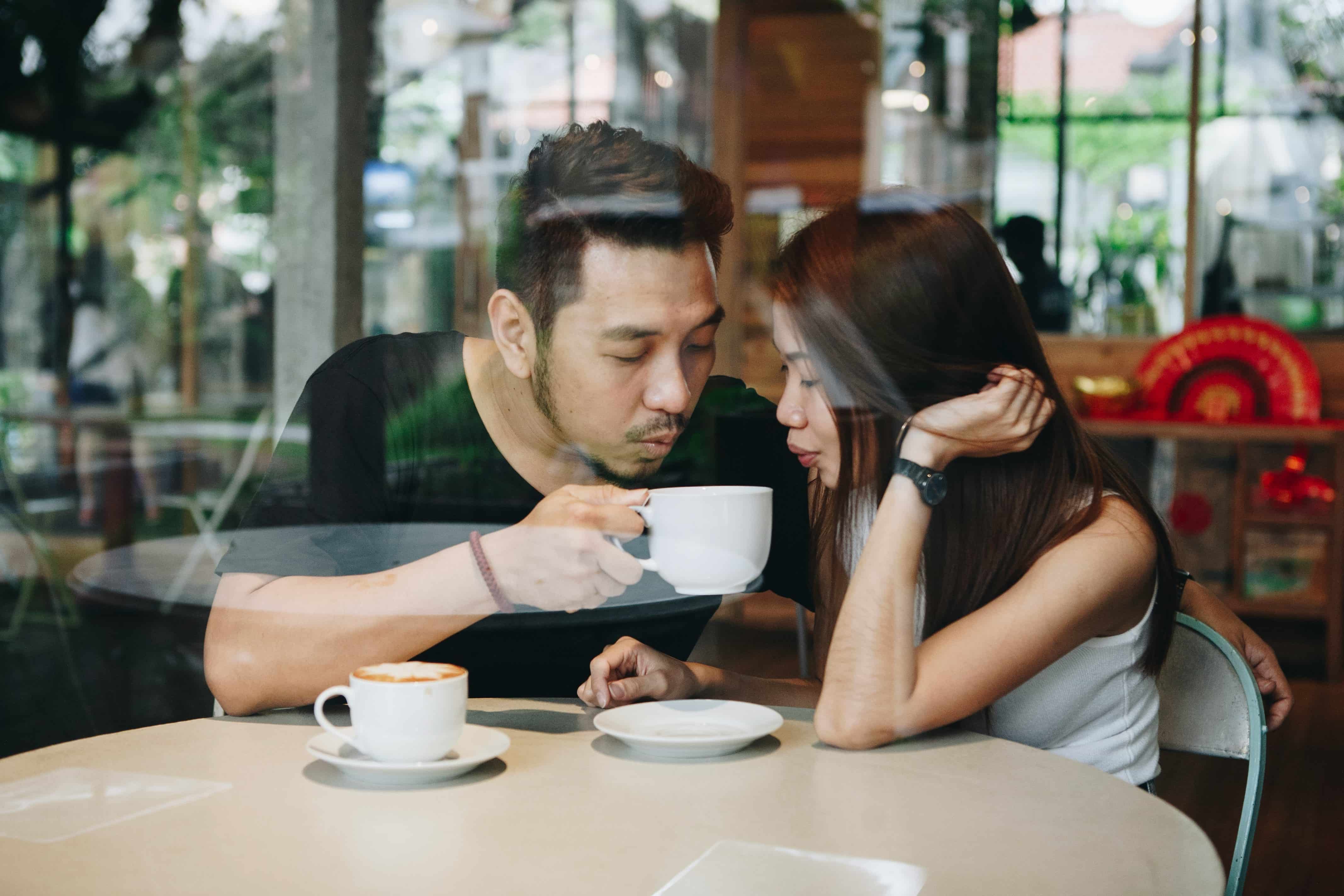
It means demonstrating faith in Love through choosing loving actions, even amid loss, illness, life transitions, or challenges - staying tapped into your inner wellspring, connected to all Life, so you can give to them, while also noticing and responding to the different ways they may be reaching for you and expressing Love.
And if both of you are struggling and at a low point, it means doing your best to still be a team, resisting falling into blame, and looking for glimmers in life and even humour to share.
It also means celebrating their wins and savouring them in all their glory, taking pleasure in their enjoyment of life - and sharing yours, even if they’re different interests.
Love grows, trust deepens, and healthy relationships thrive as we meet the inevitable challenges through the seasons of life with care, authenticity, and mindful attention to both self and partner.
We don’t need to be perfect - only willing to be who we are and keep showing up anew with kindness, humility, vulnerability, and compassionate curiosity; willing to share, willing to repair, to let go, and open to new possibilities of joy and shared growth.
How to Repair Relationship Ruptures and Rebuild Trust
When connection frays in a relationship, love calls us to slow down - to inhabit the space between hearts, and bring empathy and presence to repair misunderstandings and rebuild trust.
Repair in relationships begins in courage: the courage to open to your own tender heart, to witness your partner without judgment, and to bring authentic care into the shared field of the relationship.
Steps to Relationship Repair
based on Relational Expert Terry Real’s Feedback Wheel and NVC
*Make an agreement that you will each take turns in the roles of this process.
When you are sharing your experience:
Speak from the heart without blame. Share your observations without judgement. What would a camera have seen?
Reflect on the reactive thoughts fuelling your emotions. Notice the story you told yourself and name it. “What I made up about it was…” or “I imagined that….
Share your feelings. Don’t use the words “I feel like…” - that means you’re going into thoughts, story, assumption. Just name the emotions. (For help naming Emotions, see my article on Emotional Fluency and the free Emotions Wheel PDF in it)
Make a clear, doable request that would help you feel loved, cared for, and supported in your relationship now - or in similar moments ahead: “Would you be willing to…?”
When you are listening:
Lean in with full presence, as if cradling your partner’s heart alongside your own. Listen with compassionate curiosity and empathy, seeking to understand.
Practice breathing and grounding, settling your nervous system, and setting aside any thoughts of defence or rebuttal - stay focussed on deep listening and repair.
Reflect back what you hear and acknowledge their emotions. Acknowledging isn’t agreeing - it’s showing you understand their experience and you care.
Acknowledge the impact of your actions - even if the impact was unintended - This is accountability - and it is essential for repair
Lean into willingness to work with your partner and do the things that help them feel loved,

cared for and supported in this situation, even if what helps them feel cared for is different from what helps you feel cared for.
Repair in relationships deepens when empathy is embodied through action, and consistent reliability restores trust between partners.
If compassion isn’t yet present, pause. Breathe. Reflect. Seek support. Authentic repair requires congruence.
When both hearts show up with curiosity and care, ruptures become openings for repair and transformation - living pulses in the relational ecosystem, building resilience in the relationship, strengthening emotional intimacy, and nurturing a fertile ground where romance, desire, and the joy of connection can flourish.
The Two Forces That Keep Love Alive: Secure Attachment and Differentiation
Romantic love and erotic connection thrive when we can reach toward another while secure in ourselves. At the heart of enduring connection are two complementary forces that keep love alive: secure attachment (togetherness) and differentiation (individuality).
Let’s begin by tuning into the breath - like the tides of the ocean, coming in and going out. As nature, we move in rhythms of ebb and flow. Similarly, relational Love thrives within the interplay of dynamic forces.
Enduring romance depends on this living balance. First, we need safety and connection. Then, we need selfhood. When both are present, love matures - and desire can thrive.
Togetherness: The Roots of Security and Belonging
Togetherness creates the soil of love in relationships. It allows partners to feel seen, heard, valued, and chosen.
As we saw earlier, attachment research, brought forward by John Bowlby and Mary Ainsworth and expanded in emotionally focused therapy by Dr. Sue Johnson, shows that secure Love rests on three steady experiences of Emotionally Attuning Care:
Accessibility - Are you there for me?
Responsiveness - Do you care about what I’m feeling?
Engagement - Do I matter to you?
When these are consistent, trust deepens. We relax. We open. Safety becomes the fertile

ground where intimacy and erotic aliveness can grow.
The early rush of Eros may feel spontaneous - a force of nature sweeping us into connection. But enduring romance in relationship is cultivated. It grows where emotional safety and differentiation coexist - where I know you will respond, and I also know you are a separate, unfolding being.
Romance thrives not from fusion or intensity, but from consistent care, intentional presence, and the ongoing choice to turn toward one another with curiosity, appreciation, and celebration of one another.
Practices That Strengthen the Roots (Security):
Following through on plans, dependability
Consistently checking in with emotional attunement
Listening with full attention, empathy and care
Expressing appreciation often
Responding when your partner reaches out
Expressions of Physical affection and emotional warmth
Accountability, Repairing ruptures reliably
Creating moments of shared delight often
Togetherness reminds us we are not alone. We are valued and cared for. Our lives are intertwined. From this rooted place, Love feels steady enough to explore.
Differentiation: The Wings of Aliveness and Desire

If togetherness creates roots, differentiation gives Love its wings.
In Family Systems Theory, pioneered by Murray Bowen and expanded in relational work by clinicians such as Dr. Ellyn Bader, differentiation is the ability to remain deeply connected while staying grounded in oneself. It is authenticity in action and Emotional Responsibility rather than reactivity.
Differentiation of Self:
The ability to recognize and express your own thoughts, feelings, needs, and desires while staying grounded, managing defences, and remaining open and vulnerable.
Differentiation from Partner:
The practice of empathizing deeply without losing yourself, showing genuine curiosity about your partner’s inner world, listening attentively, and seeking to understand their experience without judgment, agenda, or defensiveness.
Differentiation exists on a spectrum - between these 2 extremes:
self-aware, grounded, empathic, curious, connected.
less self-aware, more reactive, more defensive, more fused.
Fusion (often mistaken for intimacy) happens when two people begin defining themselves primarily through each other. Under stress, this often intensifies: anxiety rises and individuality shrinks. We may hide parts of ourselves, over-accommodate, withdraw, or shape-shift to preserve the bond. But when selfhood collapses, desire often dims as well.
For romantic connection to thrive, we need to accept and appreciate one another’s differences, allowing room for individual selves to grow in the relationship. Without two selves, attraction can’t exist because they are fused into one. Many relationships get stuck in fusion.
As relationship expert Esther Perel emphasizes, desire needs space, mystery, and the unfamiliar. Attraction grows in the tension between connection and separateness - between safety and mystery. She reminds us that this is a paradox to manage in our relationships - not a problem to solve.
Differentiation allows us to:
Maintain our values, interests, and inner world
Value who we are (body, mind, heart, soul) & our evolving experience of self
Express our truth and perspectives without hostility
Stay emotionally regulated during conflict
Remain curious about who our partner is becoming & their evolving inner world

Support our partner’s growth without feeling threatened
When two differentiated individuals meet, romance matures rather than collapses into predictability. Erotic energy becomes less about intensity and more about vitality - less about need, and more about choice.
Practices That Keep Desire Alive (Differentiation):
Nurturing personal passions and friendships & supporting them in theirs
Taking initiative in planning meaningful personalized dates
Being genuine and sincere
Trying new experiences together
Offering thoughtful gestures, meaningful gifts, or surprises
Exploring of one another’s ever evolving visions, dreams, & inner landscapes
Eye Gazing
Creating sensual experiences - lighting, scent, music, touch, taste, movement etc
Sharing play, creativity, humour, and embodied experiences
Every relationship needs different combinations and expressions of these two forces at different times through out their journey:
Togetherness provides the roots: emotional attunement, engagement, responsiveness, and repair

builds secure attachment, trust, safety and belonging.
Differentiation gives love its wings in relationships, allowing desire, curiosity, and authentic connection to flourish.
In this living balance, hearts open in trust, safety, and connection, curiosity thrives, and romance, erotic energy, and shared joy deepen and expand in the ongoing dance of two whole selves co-creating lasting relationship together - where both partners feel seen, valued, and alive.
Love As Mystery and Practice: How to Cultivate Lasting Connection
Love is not something we master once and for all. It is something we tap into and practice, cultivating emotional intimacy and sustaining love in relationships over time.
It may begin as a spark - as Eros, a magnetic longing -
but over time it asks more of us:
courage, accountability, repair.
Love invites us across thresholds. What feels like friction can become transformation when met with presence. Again and again, relationships ask us to listen, to soften, to take responsibility for our impact, and to begin anew - fostering deeper connection and relational growth.
We are not fixed selves loving from a distance. We are living beings shaped through encounter, practicing courage, accountability, and authentic presence in our relationships.
In loving another, we are invited to become more whole, more differentiated, more real.
Love is sacred - and embodied.
It lives in nervous systems learning safety through emotional attunement and care.
In boundaries that protect dignity.
In mystery and curiosity that keep desire alive.
In laughter, surprise, and the small, faithful acts of care that make security and adventure possible.
Unconditional love is not the absence of responsibility.
It is steady goodwill with clear boundaries -
an open heart rooted in self respect.
Romance is not only the spark at the beginning. It is the ongoing devotion to seeing and being seen, exploring and being explored, blessing and being blessed - and nurturing emotional intimacy in relationships over time - rediscovering one another and expressing appreciation again and again.
And when we love in this way -
with courage, curiosity, and care -
love begins to feel less like something we must earn
and more like something we are remembering.
Not a fantasy.
But the ground we stand on.
An Invitation to go deeper
If you recognize yourself in these patterns -
if you long for love that feels both secure and alive,
rooted and spacious, accountable and tender -
you do not have to walk that path alone.
Healing attachment patterns, deepening emotional intimacy, and cultivating lasting vivacious love is courageous work. It is also profoundly relational work.
In my practice, I support individuals and couples in strengthening secure attachment, nurturing differentiation, and restoring connection where it has frayed — so love can feel steady, embodied, and vibrant again.
You are warmly invited to begin:
You may also reach out for a complimentary 20-minute consultation to explore whether this work feels aligned for you. Book a session
Love grows where we are willing to turn toward it.
If you feel that turning stirring in you, I would be honoured to support you.
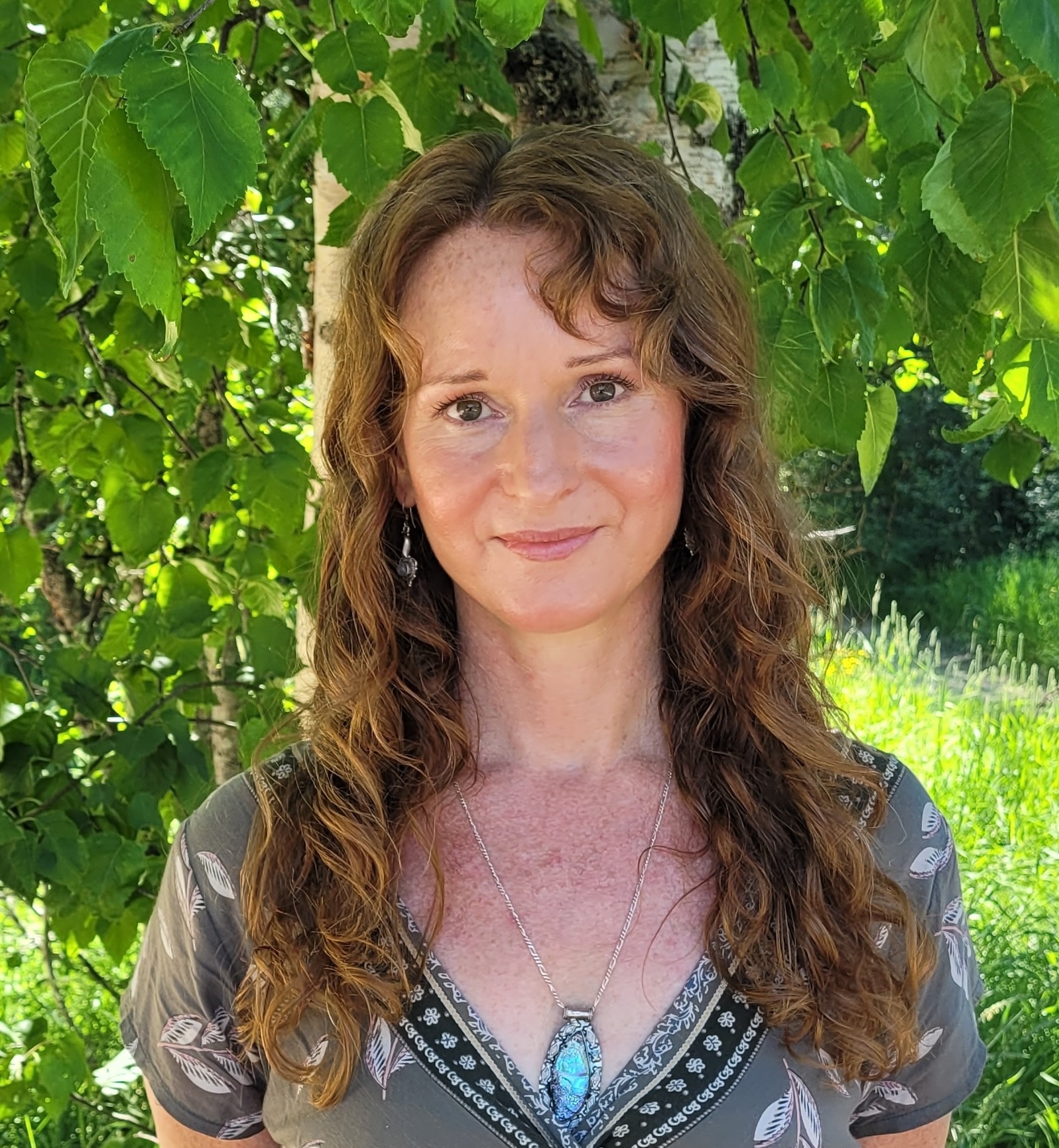
Author
Rebecca Goutal is a Registered Therapeutic Counsellor who supports individuals and couples navigating relationship challenges, anxiety, depression, trauma, and High Sensitivity (HSP's). Alongside her counselling practice, she teaches relationship and communication courses and facilitates therapeutic and transformative Arts experiences.
